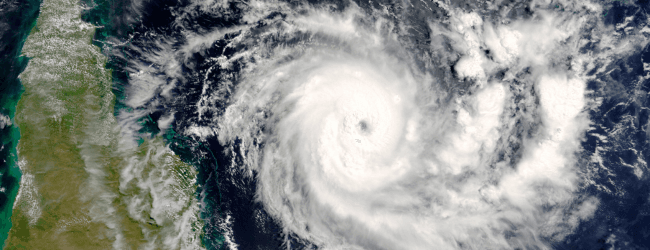
- 6 March 2025
Cyclone Alfred: Staying Safe and Protecting Your Tenants
With Cyclone Alfred approaching, many communities in Queensland and New South Wales are facing uncertainty. Extreme weather events like this bring not only immediate risks but also longer-term challenges for property owners and tenants alike.
At times like these, safety comes first. Ensuring you, your loved ones, and your tenants are safe is the highest priority. But once the storm passes, property owners will also need to assess the impact on their investments and understand their responsibilities.
If your property is affected, knowing what to do next can make all the difference in the recovery process. This guide provides clear steps for managing tenancy agreements, assessing damage, and getting properties back to a liveable condition as quickly as possible.
Immediate Priorities: Safety First
Before focusing on property matters, ensure:
- You and your family are in a safe location and have access to emergency services if needed.
- Your tenants are aware of emergency contacts and evacuation procedures.
- You monitor official updates from Bureau of Meteorology (BOM) and local authorities.
Once the immediate danger has passed and it is safe to assess your property, the following steps will help guide you through the process.
What Happens to Tenancy Agreements After a Cyclone?
A natural disaster does not automatically end a lease. If a property is uninhabitable, both landlords and tenants have options:
- Mutual Agreement: The tenancy can end immediately if both parties agree in writing.
- Tenant-Initiated Termination: A tenant can give notice if the property is unsafe or unliveable.
- Landlord Termination: A landlord can issue a notice if the property cannot be lawfully occupied.
In Queensland, tenants must provide a Notice of Intention to Leave (Form 13) within one month of the disaster. In New South Wales, tenants can end the lease via a termination notice or negotiate to stay if partial damage allows. If disputes arise, the NSW Civil and Administrative Tribunal (NCAT) or Queensland Civil and Administrative Tribunal (QCAT) can assist.
Financial Considerations: Rent, Repairs & Insurance
- Rent Adjustments: If part of a property is damaged but still liveable, rent reductions can be negotiated. This should be put in writing to avoid disputes.
- Repairs & Responsibilities: Property owners must restore the property to a habitable condition, including structural fixes, fences, doors, and roofing. However, tenants are responsible for their personal belongings.
- Insurance & Claims: If you have landlord insurance, review your policy before committing to repairs. Some insurers may cover loss of rent, while others may require certain conditions to be met first.
- Temporary Accommodation: Landlords are not obligated to cover tenants' temporary housing costs, though some insurance policies may assist.
Action Plan: What Property Owners Should Do Now
Before the Cyclone Hits
- Review your insurance policies to ensure they cover storm and flood damage.
- Check in with your tenants and provide emergency contact details.
- Secure the property where possible, clearing drains and reinforcing weak structures.
Immediately After the Cyclone
- Only return to the property when authorities confirm it is safe.
- Assess the damage and take photographs for insurance claims.
- Contact your insurer and begin the claims process as soon as possible.
- Discuss temporary arrangements with tenants if they are unable to return.
Long-Term Recovery
- Organise repairs with licensed professionals and ensure all work meets safety standards.
- If necessary, negotiate rent reductions or new lease agreements with tenants.
- Review your investment strategy to assess risks and resilience against future events.
We’re Here to Support You
We know that extreme weather events like this can be stressful and overwhelming. If you need guidance on your obligations, insurance claims, or managing tenant concerns, reach out to us at enquiries@propertyclub.com.au or speak with your Property Club mentor.
Our thoughts are with everyone affected by Cyclone Alfred. While recovery can feel daunting, having the right support and information will help you rebuild with confidence.
Related Posts

Kevin Young says ... it's time to make money...how! Why now?
Hi folks. It’s time to make money. Why? Because there’s fear in the market out there. Every day the papers are negative, negative, negative. Capital gains are going to be cancelled! Capital growth is going to be cancelled! You know what that does? It makes the average person stop like a bunny in the headlights of a...

Melbourne’s Inner West Is Still One of the Smartest Plays Right Now
There’s a pocket of Melbourne’s inner west quietly gaining momentum. Not the loudest market. Not the most hyped. But one that continues to show the kind of fundamentals experienced investors look for. And right now, it is sitting in a very interesting position. Location still does the heavy lifting This part of the...
What Trees Tell You About a Property Market
Perth has just been recognised as a Tree City of the World for the third year running . Not exactly the kind of headline most investors chase. But it should be. Because this isn’t about trees. It’s about how a city is being run . The signal most investors miss Property markets don’t just grow because of population...