- 13 August 2023
August Rate Club
The twelve interest rate hikes implemented by the RBA since May of the previous year have collectively bolstered banks' income by a substantial $88 billion.
Australians currently hold more than $2.2 Trillion in home loan mortgages, with each rate increase contributing billions in extra revenue for the banks.
It's important to note that this surge in bank profits has come at the expense of everyday Australians. Many have experienced a reduction in their personal income due to these mounting interest rates.
The question that naturally arises is: Can enriching the big banks while placing more financial strain on regular individuals truly offer a solution to our cost-of-living crisis and rapidly reduce inflation?
I propose a fairer and more intelligent approach to curbing spending within the economy. This involves introducing a specialised super levy applicable to all income earners.
Such a levy would redirect funds that individuals contribute to their superannuation accounts, ensuring these funds remain accessible during retirement rather than being funnelled into the coffers of large financial institutions.
This alternative approach would lead to a widespread reduction in spending instead of exclusively targeting those with home loans.
The strategy of repeatedly raising interest rates has proven ineffective, resulting in a decline of over 35,000 rental properties entering the market over the past year. Property investors have been reluctant to borrow due to the continuous string of rate hikes.
This scarcity of rental properties has subsequently driven up rental costs and contributed to the overall inflationary pressures.
Given these circumstances, I advocate for a change in direction. The upcoming interest rate announcement should prioritise a rate cut, which may offer a more constructive path forward.
Related Posts

Kevin Young says ... it's time to make money...how! Why now?
Hi folks. It’s time to make money. Why? Because there’s fear in the market out there. Every day the papers are negative, negative, negative. Capital gains are going to be cancelled! Capital growth is going to be cancelled! You know what that does? It makes the average person stop like a bunny in the headlights of a...

Melbourne’s Inner West Is Still One of the Smartest Plays Right Now
There’s a pocket of Melbourne’s inner west quietly gaining momentum. Not the loudest market. Not the most hyped. But one that continues to show the kind of fundamentals experienced investors look for. And right now, it is sitting in a very interesting position. Location still does the heavy lifting This part of the...
What Trees Tell You About a Property Market
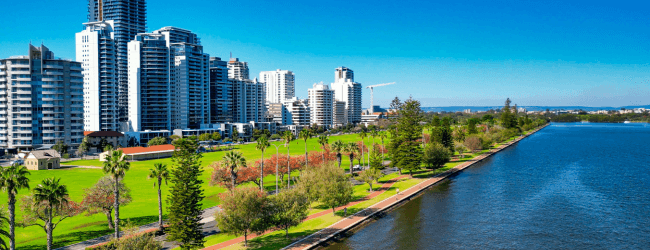
Perth has just been recognised as a Tree City of the World for the third year running . Not exactly the kind of headline most investors chase. But it should be. Because this isn’t about trees. It’s about how a city is being run . The signal most investors miss Property markets don’t just grow because of population...