
- 7 August 2025
The Suburb Lines That Make or Break Property Prices
On a Saturday morning in Brisbane’s leafy inner-west, you can see the quiet theatre of Australian property ambition. Parents with clipboards trail real estate agents from one open home to the next, whispering about “catchments” like they’re trading inside information. They’re not just buying a home. They’re buying a ticket into a postcode that will open doors for the next decade.
In Australia, the boundary lines drawn by education departments can shape property values more than the glossiest renovation. A high-performing public school doesn’t just attract families. It anchors demand. And demand is what keeps prices resilient even when the wider market stumbles.
The Premium People Will Pay
Properties inside the catchment of a top-rated public school consistently sell for more than those just a street away. Buyers stretch their budget without blinking if it means avoiding private school fees later. It’s not sentimentality. It’s strategy.
Stronger Rental Demand
For investors, it’s not only about resale value. Tenants pay more for the right school zone and these homes often lease faster. Families plan their lives around enrolment years, which means longer tenancies and fewer vacancy headaches.
Value That Holds in Tough Times
Markets rise and fall, but demand for quality education never fades. Even in softer market conditions, high-demand catchments tend to hold their value better, acting as a buffer against downturns. Think of it as an insurance policy built into your property’s postcode.
The Ripple Effect
It’s not just about the school. Cafés, parks, upgraded transport — these suburbs attract better amenities, making them even more appealing. Once a suburb earns a “high-performing” reputation, it feeds a cycle that keeps it desirable for decades.
Buying in a great school catchment isn’t simply a lifestyle choice. It’s a calculated investment move that offers peace of mind for families and long-term strength for investors.
If you’re ready to pinpoint the school zones that deliver the best capital growth and rental returns, talk to the team at Property Club (enquiries@propertyclub.com.au).
Related Posts

Kevin Young says ... it's time to make money...how! Why now?
Hi folks. It’s time to make money. Why? Because there’s fear in the market out there. Every day the papers are negative, negative, negative. Capital gains are going to be cancelled! Capital growth is going to be cancelled! You know what that does? It makes the average person stop like a bunny in the headlights of a...

Melbourne’s Inner West Is Still One of the Smartest Plays Right Now
There’s a pocket of Melbourne’s inner west quietly gaining momentum. Not the loudest market. Not the most hyped. But one that continues to show the kind of fundamentals experienced investors look for. And right now, it is sitting in a very interesting position. Location still does the heavy lifting This part of the...
What Trees Tell You About a Property Market
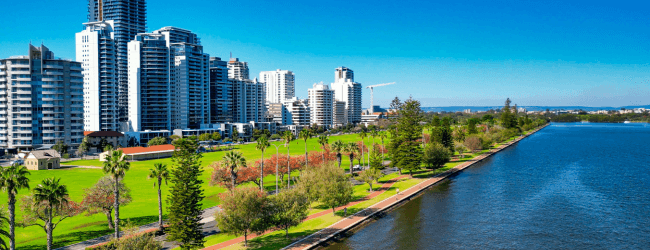
Perth has just been recognised as a Tree City of the World for the third year running . Not exactly the kind of headline most investors chase. But it should be. Because this isn’t about trees. It’s about how a city is being run . The signal most investors miss Property markets don’t just grow because of population...